Pine: Literacy education is suicide prevention for our children
This article has been written by

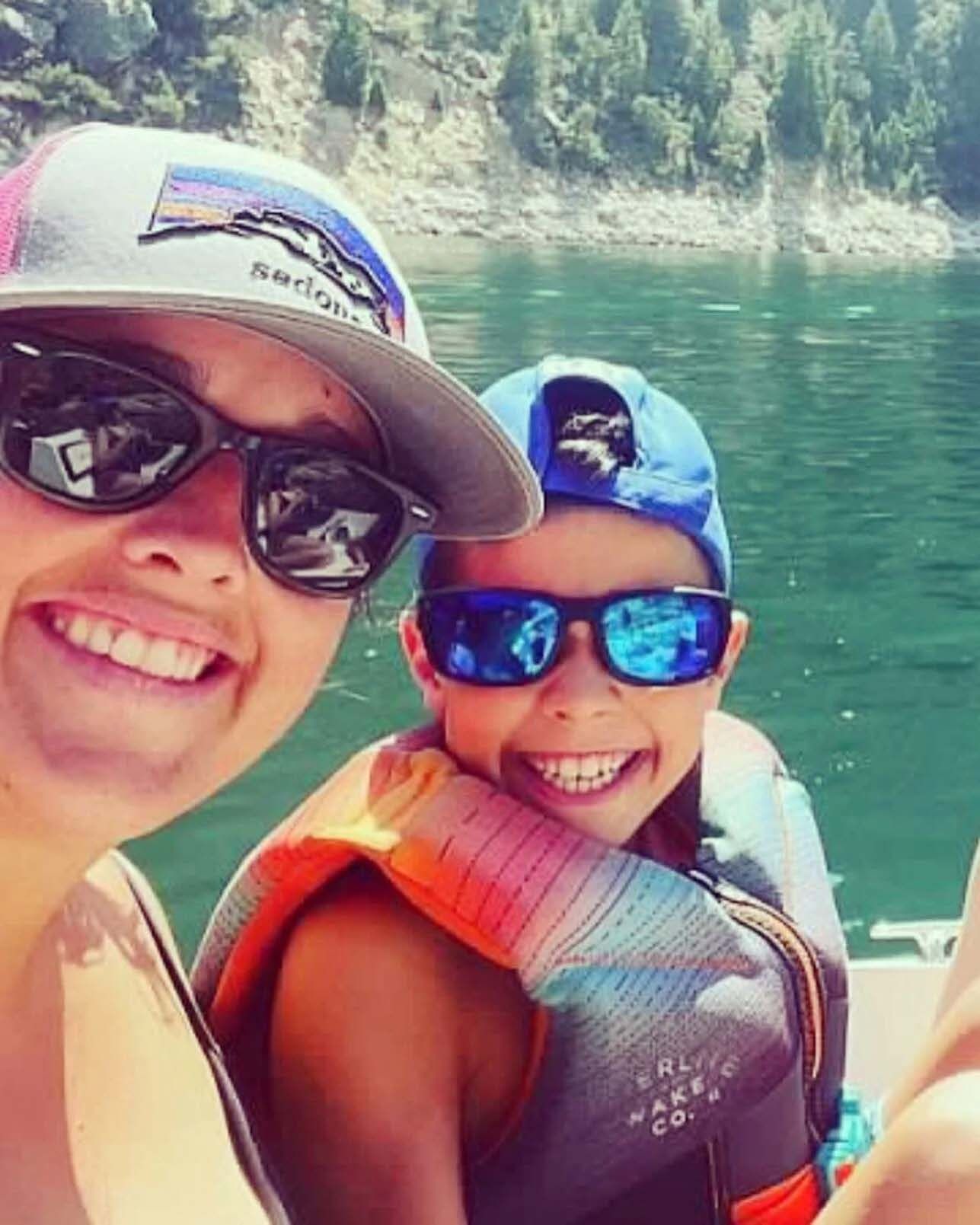
September is both Suicide Prevention Awareness Month and National Literacy Month — two causes that, for my family, are forever intertwined. My son, Paul, was bright, funny, kind — and struggled to read. He repeated kindergarten, received small-group interventions, and still, by fifth grade, he was only reading at a first-grade level.
This was masked for years because he had memorized so many words that he appeared to be an "OK" reader, but when an appropriate evaluation was finally performed, the truth was revealed.
We thought we were doing everything right. The teachers sitting across the tables at parent-teacher conferences thought they were doing everything right. No one could explain how or why this brilliant young man was so far behind his peers in reading. The answer was simple: Paul was most likely dyslexic. Once we knew this, he started receiving structured literacy tutoring through Hesser Literacy Partners. In the last three months of his life, he advanced an entire grade level. For the first time, Paul felt hope. He could see his own potential.
But that progress came too late. Paul died by suicide at school in fifth grade.
We will never know how different things might have been if Paul had been identified as dyslexic early on and had received the evidence-based structured literacy instruction his brain needed — the same kind of instruction all children benefit from.
What I do know is this: literacy is treated as a privilege. It is not a privilege. It is a right. It is a lifeline. It is a child's future. This crisis is not just personal — it is statewide. In Wyoming, while fourth graders score above the national average in reading (222 vs. 214 in 2024), only 36% are reading at or above the Proficient level (National Center for Education Statistics). That means two-thirds of our children are struggling with literacy at a foundational age.
At the same time, Wyoming has one of the highest youth suicide rates in the nation. The state's overall suicide rate in 2022 was 25.6 per 100,000 people (USAFacts), and nearly 1 in 10 middle school students report they have attempted suicide in the past year (Wyoming Prevention Depot).
These are not separate crises. They are connected.
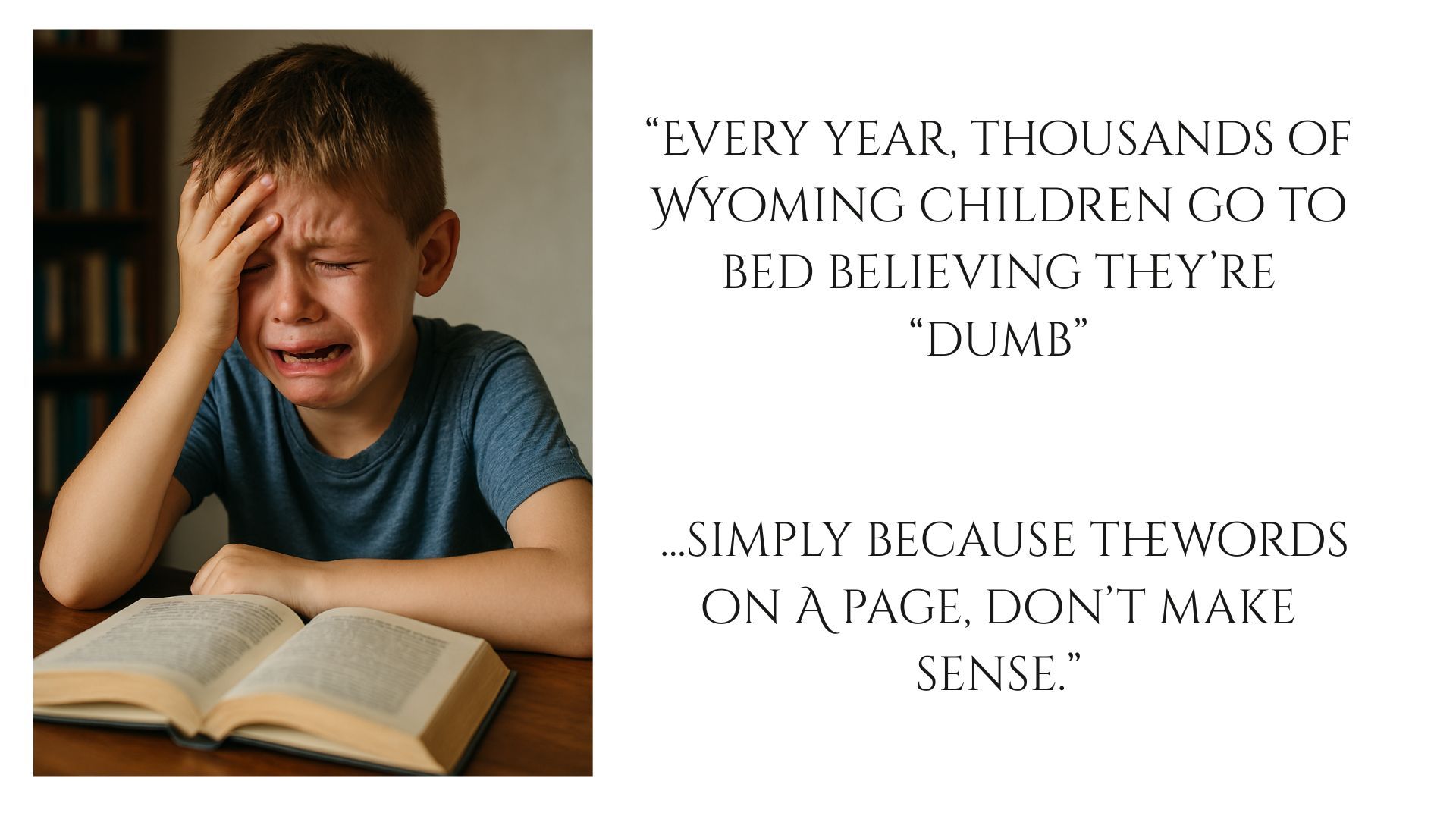
Right now, too many children are silently drowning in classrooms that are not equipped to teach them how to read. Most teacher preparation programs do not include the science of reading or structured literacy. Too few schools use evidence-based structured literacy instruction. As a result, children who are bright and capable are mislabeled as lazy or defiant. Their self-esteem crumbles. And some, like Paul, lose hope.
We talk about suicide prevention as though it is separate from education, but they are deeply connected. Literacy builds confidence, inclusion, self-worth and possibility. It opens doors. It saves lives.
This September, as we observe both Suicide Prevention Awareness Month and National Literacy Month, I am asking our community — and our leaders — to act.
- We must ensure that every child is screened for reading difficulties early.
- We must train teachers in the science of reading.
- We must make structured literacy the standard, not the exception. We MUST recognize literacy for what it truly is: a matter of LIFE AND DEATH.
It is possible to teach every person how to read. In fact, the only place in the United States where a person is guaranteed to be screened for dyslexia and taught how to read is federal prison, thanks to the First Step Act — a bipartisan bill signed into federal law in 2018. Imagine if we provided that same commitment to preschoolers, to struggling readers and to every student from kindergarten through 12th grade.
Paul's life should not have been cut short. My fight for him has become my fight for every child — to ensure they are seen, supported and taught to read. Because no child should lose their future to something we have the power to change.
Chandel K. Pine founded Paul's Mountain-Advocacy for Literacy in loving memory of her son, Paul — hoping to reach the children who, like him, were overlooked by our public education system. As she continues her climb of Paul's Mountain, she now stands with fellow advocates as a director of Wyo Right to Read, fighting to ensure that no child is left illiterate — and no life is cut short for lack of hope.