The tragedy of dyslexia in Wyoming
This article has been written by
Without proper teacher training and enforceable policies, literacy becomes a privilege when it should be available to all K-12 students.
by Annie McGlothlin, Kari Roden and Chandel Pine
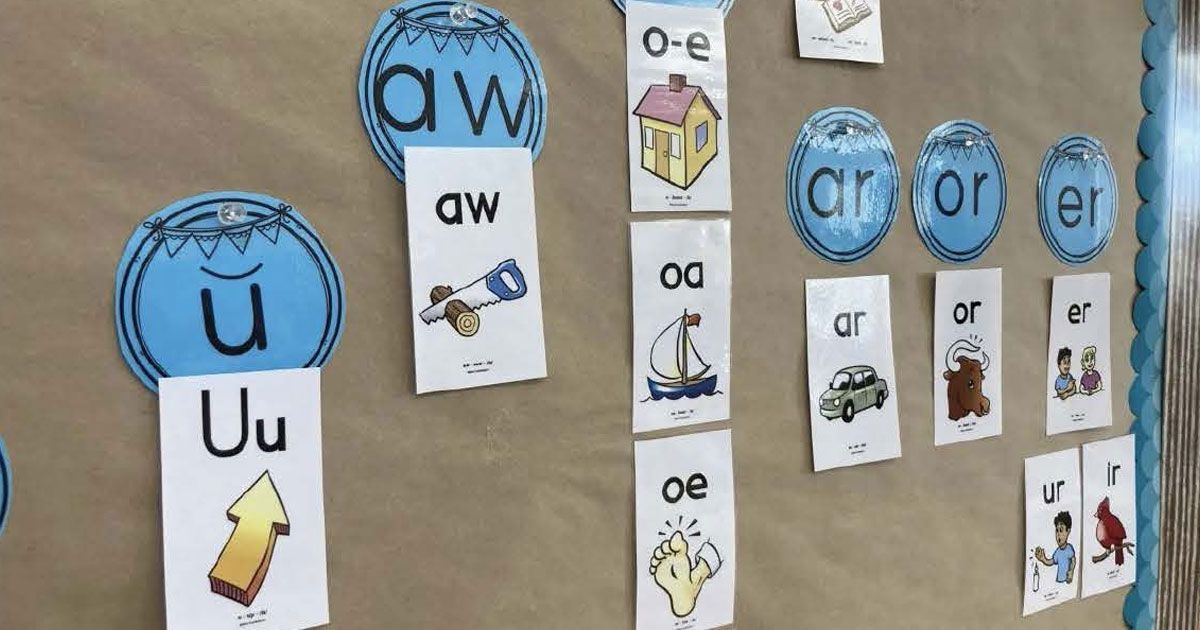
A "vowel valley" on display at Big Horn Elementary shows how sounds come together into words. (Tennessee Watson/WyoFile)
Share this:
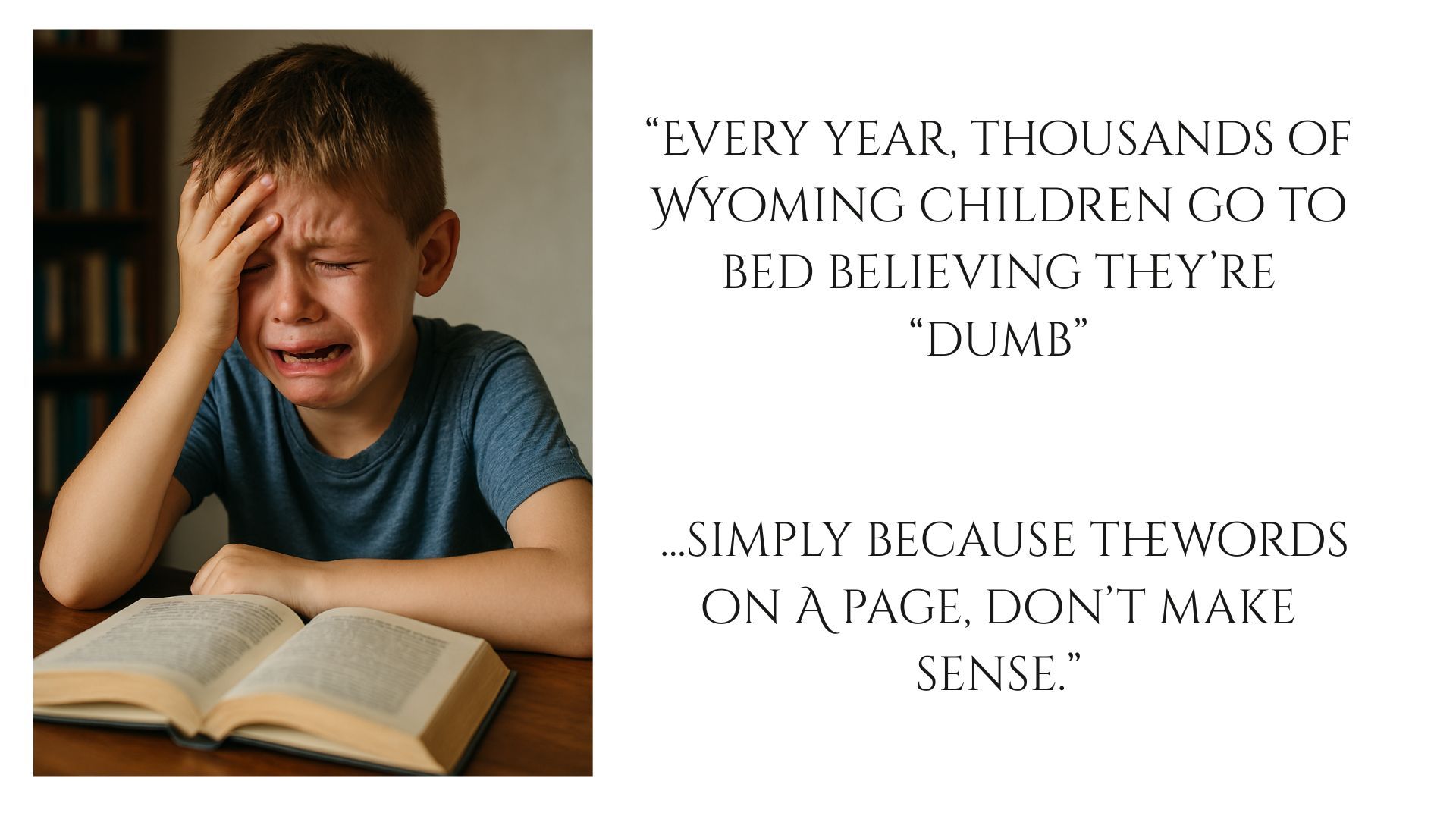
In Wyoming, reading is not a guaranteed right — it's a privilege. For children with dyslexia, the state's failure to provide timely, evidence-based support has created a crisis. Education should level the playing field, but in Wyoming, only families with legal knowledge and financial means can secure necessary services. For many, the system's failure is not just inadequate — it's tragic.
A hidden crisis
Dyslexia affects 10-20% of the population and is the most common learning disability. Yet Wyoming's schools lack a structured, evidence-based approach to identifying and supporting dyslexic students. Without early intervention, these children fall behind academically and suffer emotionally, while their needs go unrecognized.
A system that favors the privileged
Wyoming lacks strong dyslexia laws and consistent policies. Many students are never screened and teachers are not required to use evidence-based methods. Families with resources can pay for private evaluations, legal help and tutoring. Those without are left behind — especially in rural communities — trapped in a cycle of illiteracy.
Deliberate Indifference
This is not just a moral failure — it is a legal one. Wyoming school districts are violating federal law. By failing to provide appropriate accommodations and evidence-based interventions for students with dyslexia, they are in direct violation of the Individuals with Disabilities Education Act, Section 504 of the Rehabilitation Act and the Americans with Disabilities Act. These laws exist to protect the rights of students with disabilities.
The Wyoming Department of Education and the school districts have actual knowledge of the educational needs of students with dyslexia. They are aware of what these students require to access education equally, yet often fail to act or respond with reckless indifference. Parents repeatedly voice concerns and file complaints, but many are ignored, dismissed or forced into lengthy legal battles. This deliberate inaction, despite clear evidence and expert recommendations, constitutes more than neglect — it is a violation of students' civil rights.
The harm is well known: When schools deny timely, structured literacy instruction, dyslexic children fall further behind, experience emotional distress and lose confidence. Families, when they can afford to, are spending tens of thousands of dollars on private services — services that are supposed to be provided under federal law at no cost to them. Meanwhile, students from low-income or rural communities are left without recourse, further entrenching inequity.
Wyoming's neglect is not only unethical — it is unlawful.
Dyslexia and potential
Dyslexia is not a marker of low intelligence. Many successful figures — from Albert Einstein to Stephen Spielberg to Bill Gates — have dyslexia. These children are bright and capable, but Wyoming's inaction robs them of their future. If the state truly valued these students, it would invest in proper teacher training and enforce policies that ensure access to structured literacy.
A call to action
Wyoming must:
- Mandate early and ongoing dyslexia screening for K-12 students.
- Require teacher certification in International Dyslexia Association-approved methods in every school.
- Establish legally enforceable dyslexia policies that ensure schools provide structured literacy instruction.
- Remove financial discrimination for families seeking basic services for their children to read.
The state's continued inaction sends a clear message: Literacy is not a right for all — it is a privilege reserved for those who can afford to fight for it. It's time to make it a right for everyone. The state knows what works — so why isn't it acting?
© 2025 Registered 501(c)(3). EIN: 27-0410642 Powered by Newspack